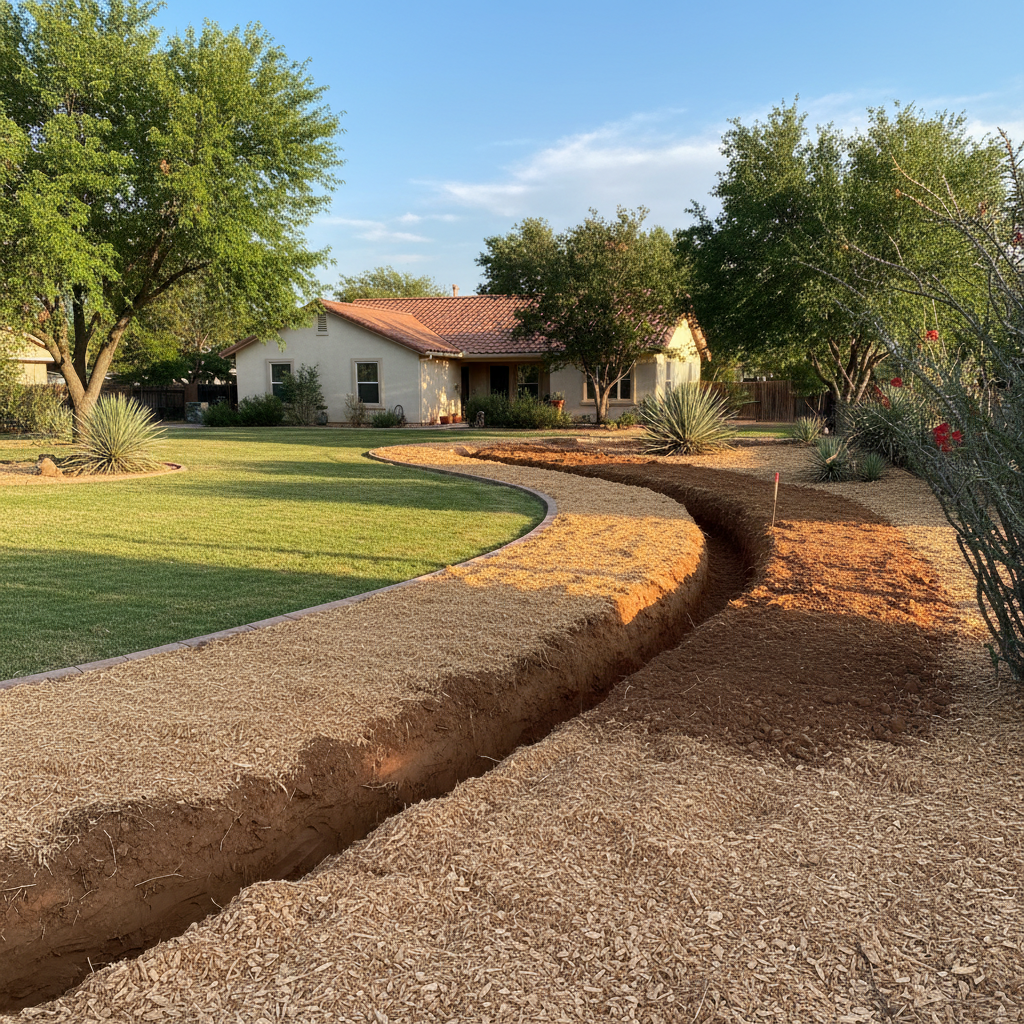
So, you've had some trenching done on your property, maybe for irrigation, maybe for utilities, or even drainage. That's a real investment, right? And you want it to last. Out here in Payson, with our monsoon seasons and those dry, dusty spells we get, good maintenance isn't just a nice idea; it's absolutely essential if you don't want to be re-doing the work way sooner than you should.
Making Your Trench Work Last Longer
The trick to getting any trench to hold up is protecting it from the weather and just plain everyday wear and tear. When we finish a trench, we backfill it and compact the soil. But that's just the beginning. Over time, especially with the heavy rains that can really come down hard on the Mogollon Rim, that soil can settle, erode, or shift around. Honestly, the biggest thing you can do to make your trench last is to manage how water flows around it.
- Proper Grading: Make sure the ground around your trench slopes away from it, even just a little bit. You really don't want water pooling right over or next to the trench line. If it's a utility trench, this helps keep water from seeping down and potentially messing with the lines or pipes.
- Vegetation Cover: Planting some grass or ground cover over the trench line, once it's fully settled, can do wonders. The roots actually help hold the soil in place, stopping erosion from wind and rain. Just be careful about putting big trees or shrubs directly over utility lines, because their roots can eventually become a real headache.
- Avoid Heavy Loads: Don't drive heavy vehicles or equipment right over a trench line unless it was specifically designed to handle that kind of weight. Even really well-compacted soil can give way under too much pressure, especially if there's a pipe or conduit buried underneath.
What Regular Maintenance Looks Like
This isn't rocket science, but it does need a little bit of attention. Think of it like checking the oil in your truck – you do it regularly to avoid much bigger problems down the road, right?
- Visual Inspections: Walk the trench line a few times a year. After a big rainstorm is a perfect time. Look for any signs of erosion, dips, or standing water. Are there any pipes or cables poking out? Is the soil washing away anywhere?
- Fill in Depressions: If you notice small dips forming, especially after a few seasons, that's a sign the soil is settling. Fill these spots in with compacted soil. You can use native soil from your property; just make sure it doesn't have big rocks or debris in it. A little extra soil, slightly mounded, will settle down over time.
- Clear Debris: Keep the area clear of leaves, branches, or other junk that could block drainage paths or hold moisture right up against the trench line.
- Check for Animal Activity: Critters like gophers or ground squirrels can dig tunnels that really mess with your trench's stability. If you see signs they've been busy, you should probably address it.
Warning Signs of Problems
You don't need an engineering degree to spot trouble, honestly. Your eyes and a little common sense are usually all it takes. Here are some red flags to watch out for:
- Significant Sinking or Bulging: A large dip or a raised area along the trench line usually means there's a serious issue. It could be a burst pipe, a utility line that's shifted, or even a big void underneath.
- Standing Water: If water consistently pools over the trench, even when the rest of the area drains fine, you've got a problem. It might be poor grading, or it could be a leak.
- Exposed Pipes or Wires: This one's pretty obvious. If you see something that's supposed to be buried, it means a lot of erosion or settlement has happened, and those lines are now really vulnerable.
- Unusual Plant Growth: Sometimes, a sudden patch of super lush green grass right over a trench can point to a water leak, especially if it's a water line. On the flip side, a dead patch could mean a gas leak or some other issue.
- Cracks in Nearby Structures: If your trench is close to a foundation, driveway, or patio, and you start seeing new cracks, it might be connected to soil movement around the trench.
When to Call a Professional
Look, I'm all for doing things yourself, but some jobs are just better left to the pros. If you see any of those serious warning signs I just mentioned, or if you're simply not sure what you're looking at, pick up the phone. Don't wait until a small problem turns into a huge headache and a much more expensive fix.
Here's when you absolutely need to call someone like us at Coastal Excavating Solutions:
- Major Erosion or Washouts: If a big chunk of your trench has washed out, or you've got large gullies forming, you're going to need professional repair and probably a re-design of your drainage.
- Suspected Leaks: If you think there's a water leak from a pipe in the trench (maybe your water bill is higher, you see standing water, or those lush spots), or worse, a gas leak (that rotten egg smell), call the appropriate utility company right away. Then call an excavator if the issue needs digging.
- Structural Damage: If the trenching is affecting nearby structures, you need an expert to check its stability and come up with a solution.
- Exposed Utilities: While you might be able to backfill a small area yourself, if a long section of a utility line is exposed, it's just safer and more effective to have a professional handle the repair and compaction.
- Before You Dig: This isn't maintenance, exactly, but it's super important. If you're planning any significant digging near an existing trench for maintenance or other work, always call 811 first. You really don't want to accidentally hit a utility line while you're trying to fix something else.
Maintaining your trenches isn't glamorous work, no. But it's a smart way to protect your property and your wallet. A little proactive care goes a long way, especially with the kind of weather we get up here in Payson. Keep an eye on things, and don't hesitate to reach out if you've got a problem that's bigger than a shovel and a bag of dirt can handle.