What's the difference between a crawl space and a slab foundation excavation?
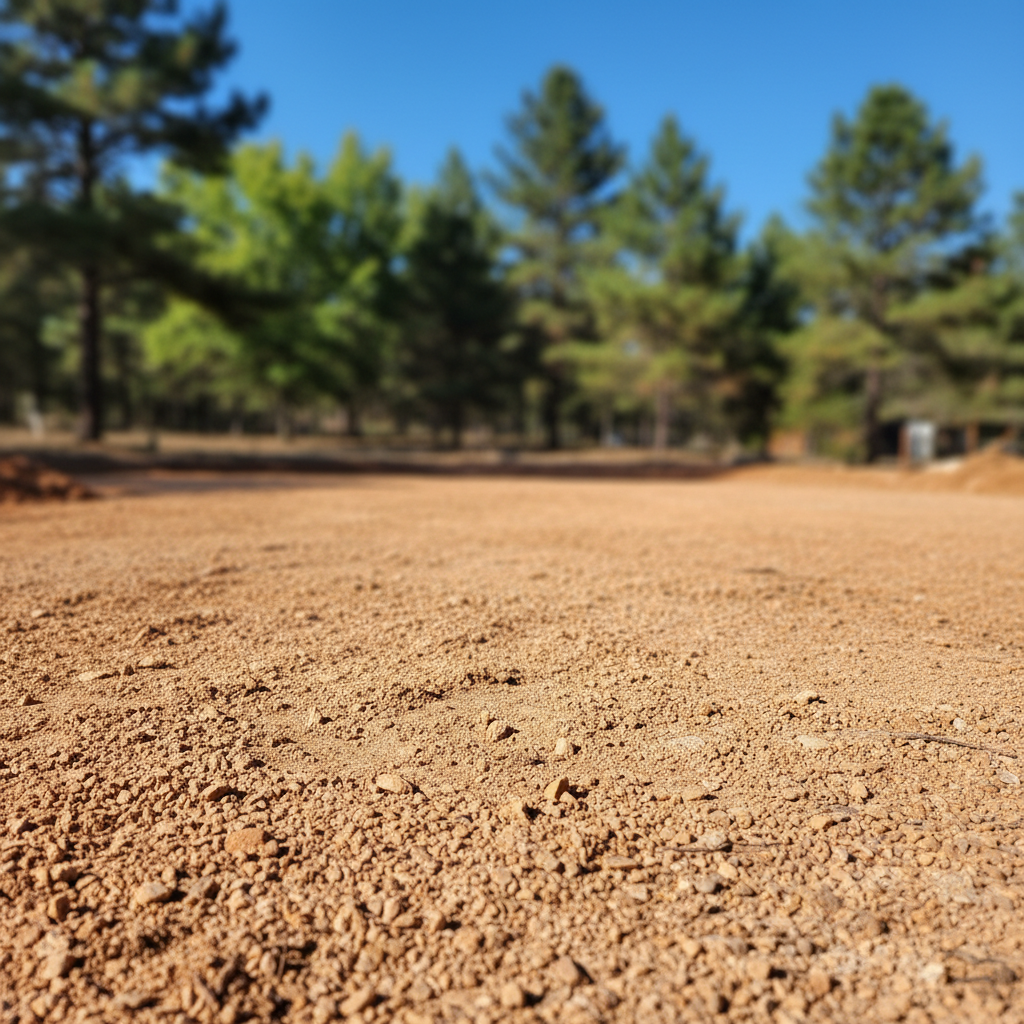
Alright, let's get this straight right off the bat, because it's a big deal for both your budget and your new build. When we talk about foundation excavation, you're generally looking at two main types: a crawl space or a slab. A slab foundation is pretty simple. We're basically digging out a level pad, maybe a foot or two deep, so a concrete slab can be poured directly on the ground. It means less digging, it's usually quicker, and often cheaper upfront. Your house ends up sitting right on the ground, with no space underneath.
A crawl space, on the other hand, means we're going deeper. We're making enough room, typically three to four feet deep, for someone to actually get under the house. This is for maintenance, plumbing, electrical work, or even just for better air circulation. It involves moving more dirt, more precise grading, and sometimes needs retaining walls or more complex footings. Here in Payson, with our varied terrain—especially in places like the Rim Club or Christopher Creek—a crawl space can be a real plus for handling slopes and getting utilities in without a ton of trouble. It's more work for us, sure, but it gives you more flexibility down the road.
How deep do you usually dig for a foundation in Payson?
That's not a simple, one-size-fits-all answer, but I can certainly give you a good idea. The depth of your foundation excavation really depends on a few key things: the type of foundation (slab versus crawl space, like we just discussed), the specific soil conditions on your lot, and, of course, the local building codes. For a standard slab, we might only go 18-24 inches down. That's usually enough to get below the frost line and make sure you have a stable base. For a crawl space, you're looking at 3-4 feet, sometimes even more if you've got a significant slope to deal with or if you're planning a partial basement.
Here in Payson, our soil can be quite interesting. You might hit solid rock pretty fast in some spots, while others could have more sandy or silty loam. Before we even think about breaking ground, I always recommend getting a geotechnical report. It tells us exactly what's going on underground, which then dictates how deep we need to go and what kind of compaction or shoring might be necessary. Believe me, you really don't want any surprises when you're pouring concrete.
What about drainage? How do you handle water around the foundation?
Drainage is absolutely critical. I mean, truly critical. You absolutely do not want water sitting around your foundation, especially with our monsoon season. That's a surefire recipe for structural problems, mold, and a whole lot of headaches you don't need. So, when we're doing the excavation, we're not just digging a hole; we're also thinking about how water will move away from your future home.
The first step is always proper grading. We make sure the ground slopes away from the foundation on all sides, usually with at least a 6-inch drop over the first 10 feet. Beyond that, we often put in perimeter drains, sometimes called French drains. These are trenches filled with gravel and a perforated pipe, all wrapped up in filter fabric. They collect subsurface water and direct it away from the foundation to a safe discharge point. This is super important if your lot naturally slopes towards the house or if you're in an area with a high water table. Sometimes we'll even suggest a footing drain that sits right at the bottom of your foundation wall. It's all about keeping that water moving and preventing it from pooling up against what's probably your biggest investment.
Do I need to clear the land before you start foundation excavation?
Usually, yes, you do. Think of it this way: foundation excavation is all about precision. We need a clean slate to work with. If your land is covered in trees, brush, old structures, or even just a lot of big rocks, all that stuff needs to go before we can even begin thinking about digging your foundation. Land clearing is a separate job, and it's something Coastal Excavating Solutions handles regularly. We'll remove trees, stumps, boulders, and anything else that's in the way, then rough grade the site so we can get in there with our excavators and start the detailed work for your foundation.
What permits do I need for foundation excavation in Payson?
You'll definitely need permits. This isn't something you can just wing, you know? For any new construction or a significant addition that involves digging a foundation, you'll need a building permit from the Town of Payson. This permit usually covers the foundation work as part of the overall construction plan. Before you even apply for that, you might need a grading permit if your project involves big changes to the natural contours of the land, which is pretty common on sloped lots around here.
It's always smart to check with the Town of Payson's Community Development Department early in your planning process. They can lay out all the specific requirements, including any necessary engineering plans, soil reports, and erosion control measures. Getting these permits in order before we start digging saves everyone a lot of headaches and potential fines down the road.
How long does foundation excavation usually take?
The timeline can vary quite a bit, but for a typical single-family home in Payson, you're usually looking at anywhere from a few days to a couple of weeks for the actual excavation work. This doesn't include the time for land clearing or permit approvals, just the digging itself.
Factors that speed things up or slow them down include the size and complexity of the foundation (slab vs. crawl space, multiple levels), the soil conditions (hitting solid rock takes more time and specialized equipment than digging through soft dirt), and of course, the weather. A few days of heavy rain can definitely push things back, as we can't safely or effectively excavate in muddy conditions. We always aim to work efficiently, but we won't cut corners that could mess with the integrity of your foundation. It's the base of your entire home, so getting it right is, well, everything.