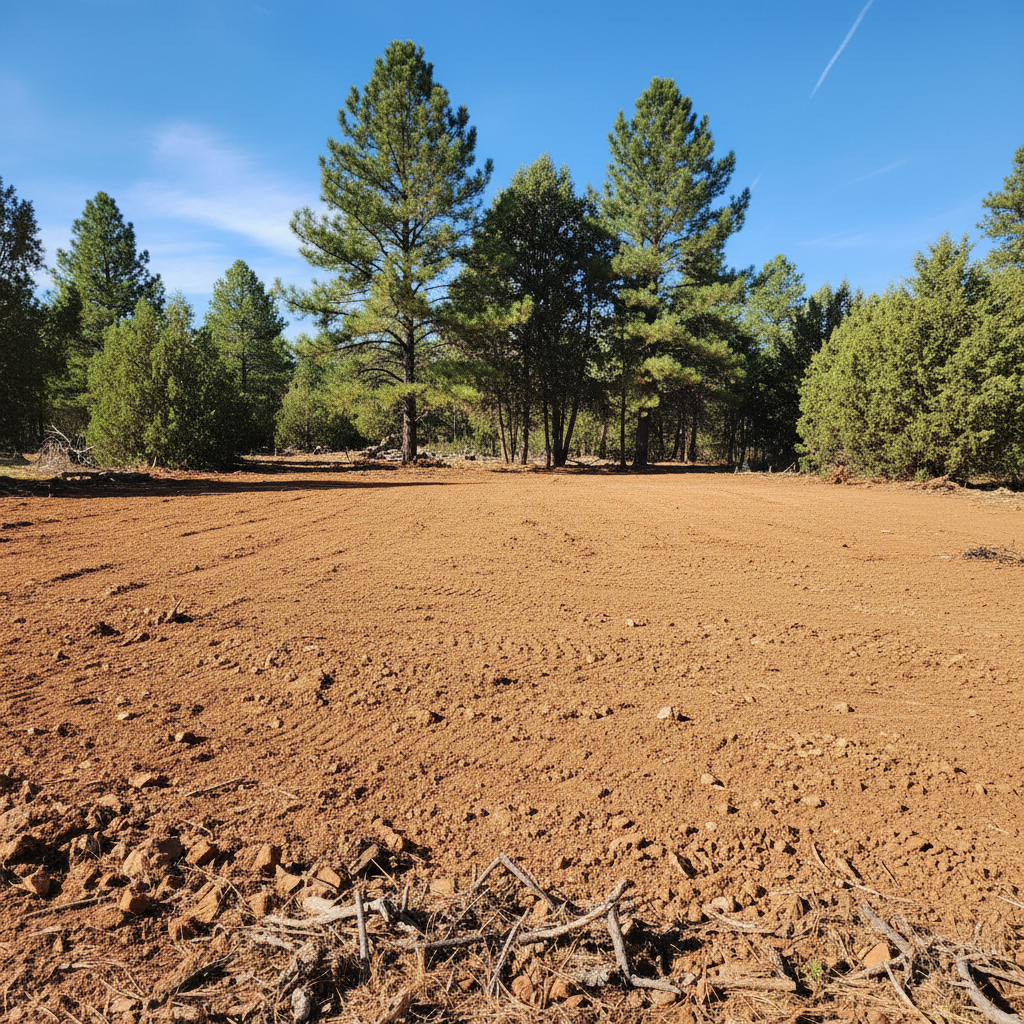
So, you've got a piece of land here in Payson, maybe a new lot you just bought, or an overgrown section of your existing property that's become a real headache. You're thinking about clearing it, and naturally, you've got questions. I hear 'em all the time, and that's good. It means you're thinking ahead. Let's tackle some of the most common things folks ask me about land clearing around here.
Do I need a permit to clear my land in Payson?
This is probably the number one question, and it's a critical one. Yes, you almost certainly need a permit for any significant land clearing in Payson. The Town of Payson has specific ordinances about grading, clearing, and even tree removal, especially for certain sizes of trees or if you're on a sloped lot. You can't just fire up a bulldozer and go to town, can you? What you need depends on the scope of the work. If you're just taking out a few small bushes, it might be different than if you're clearing an acre for a new home. My advice? Always check with the Town of Payson Planning & Zoning Department first. They'll tell you exactly what's required for your specific project and property. Skipping this step can lead to fines, stop-work orders, and a whole lot of headaches you don't need.
What's the best way to deal with all the brush and trees?
Once you've got the permits sorted, you're looking at a pile of material. There are a few ways to handle it, and the best option depends on what you're clearing and your goals. Chipping is a popular choice for smaller brush and branches. It creates mulch you can use on your property or have hauled away. For larger trees, you're looking at cutting them into logs for firewood, or having them hauled off to a green waste facility. Burning is another option, but it's heavily regulated here in Gila County, especially with our fire danger. You'll need a burn permit, and there are strict rules about what you can burn, when, and how. We've got a lot of Ponderosa pine and juniper around here, and that stuff burns hot and fast, so safety is super important. We at Coastal Excavating Solutions often recommend chipping and hauling for most projects to keep things clean and safe.
How long does land clearing usually take?
That's like asking how long a piece of string is, right? It really varies. A small, lightly wooded half-acre lot might take a few days. A heavily overgrown, sloped five-acre parcel could take weeks, especially if there are a lot of large trees or tricky terrain. Factors include the size of the area, the density and type of vegetation, access to the site, and what equipment is needed. Weather plays a role too; you don't want to be clearing during a monsoon downpour. When I come out to give you an estimate, I'll give you a much more accurate timeline based on what I see on your specific property.
What about fire mitigation? Is that part of land clearing?
Absolutely, and it's a huge deal here in Payson. With our beautiful but fire-prone forests, fire mitigation isn't just a good idea, it's often required, especially if you're building a new home. The goal is to create a defensible space around your home. This usually involves clearing out dead vegetation, thinning trees, removing ladder fuels (branches that allow fire to climb into the tree canopy), and keeping grass mowed. When I'm clearing land for a new build, I'm always thinking about fire safety zones. It's not just about getting rid of stuff; it's about making your property safer for you and your neighbors.
Will land clearing affect my property's drainage or erosion?
This is a really important consideration, especially on some of our steeper lots or properties with clay-heavy soil, like what you find in parts of the Christopher Creek area. Removing vegetation can definitely impact how water flows across your land. Trees and plants help hold soil in place and absorb rainwater. If you clear a large area without proper planning, you could create erosion problems, leading to washouts or even impacting neighboring properties. A good contractor will assess your property's natural drainage patterns and recommend solutions like grading, retaining walls, or proper revegetation to prevent erosion. It's not just about removing; it's about managing the landscape responsibly.
Can I do some of the clearing myself to save money?
Sure, you can. For smaller tasks, like clearing light brush or thinning out some smaller trees, doing it yourself can save you a few bucks. But be realistic about what you can handle safely and effectively. Operating chainsaws, chippers, or heavy machinery without experience is dangerous. Plus, you need to consider disposal of the material, which can be a bigger job than you think. For larger projects, or anything involving significant tree removal or grading, hiring professionals like us is almost always the smarter, safer, and ultimately more cost-effective choice. We have the right equipment, the expertise, and the insurance to get the job done right without you ending up in the emergency room or with a massive pile of brush you can't get rid of.