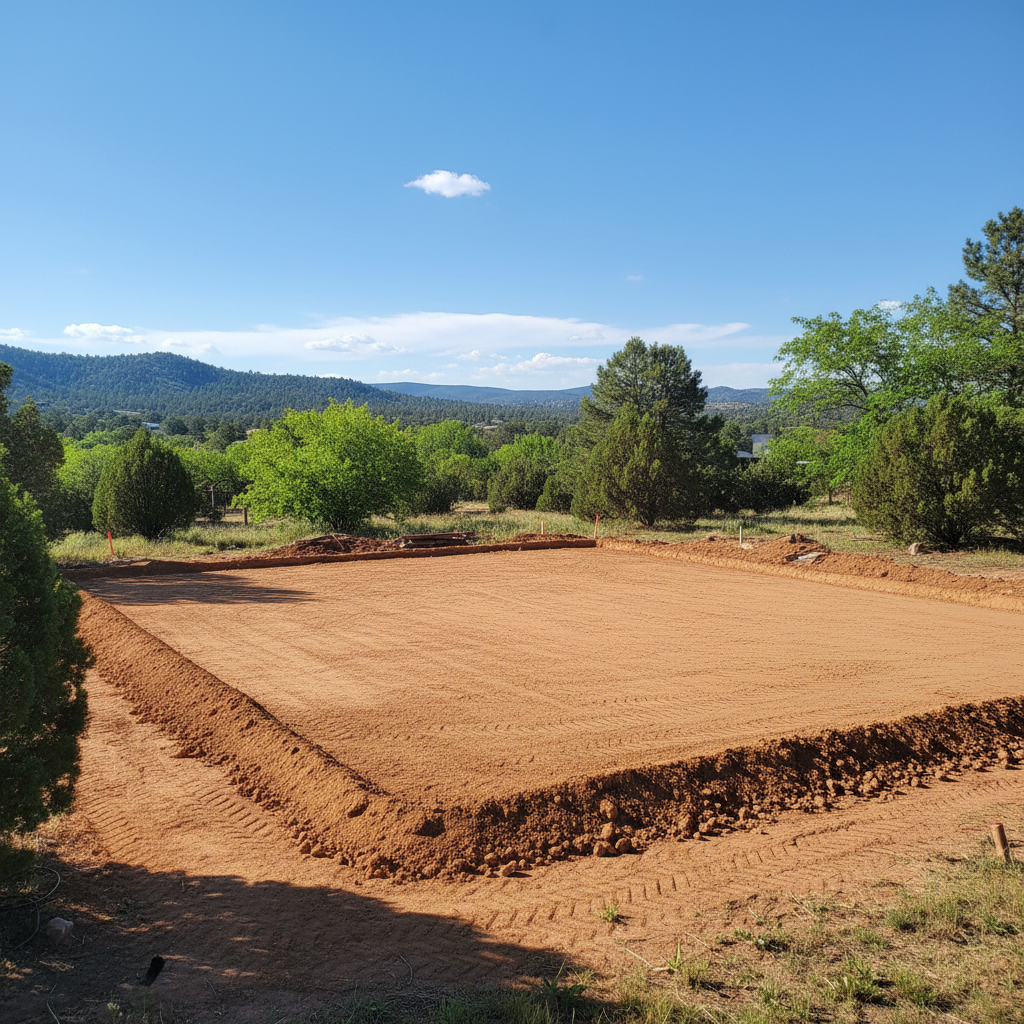
Alright, let's talk dirt. More specifically, what it costs to move that dirt around when you're building something new or making a big change to your property right here in Payson. I get calls constantly from folks wondering what kind of bill they're looking at for site excavation, and honestly, it's never a simple, one-size-fits-all answer. But I can definitely give you some real numbers and tell you what actually pushes the price up or down.
What Makes Excavation Costs Go Up or Down?
You might think digging is just digging a hole, but there's way more to it than that. Here are the big factors that influence the final price:
Project Scope: A small trench for a utility line is totally different from digging a full house pad and foundation. Are we just clearing some brush? Or are we moving hundreds of yards of material for a new driveway and septic system? The size of the job really matters.
Soil Conditions: This is a huge one, especially around here. If your property has mostly soft, sandy loam, like you'd find in some of the flatter areas closer to town, it's easier and quicker to dig. But if you're up on the rim, hitting solid granite or caliche? That means we need bigger equipment, more time, and sometimes even specialized tools like rock hammers or, yes, even blasting. Believe me, hitting a boulder bigger than a truck can really slow things down and add to the bill.
Site Accessibility: Can we get a big excavator and dump trucks right where they need to be? Or do we have to deal with tight turns, steep grades, or work around existing buildings? The tougher it is to get equipment and materials in and out, the more labor and time the job takes.
Material Hauling & Disposal: What do we do with all that dirt we dig up? If it's good, clean fill, maybe you want to keep it on site for grading. But if it's not suitable, or there's just too much of it, we have to haul it away. Landfill disposal fees aren't cheap, and the further the haul, the more it costs in fuel and time.
Permits & Inspections: Depending on your project, you might need permits from the county or city. These come with their own fees, and sometimes they require specific inspections during the excavation process. That can add to scheduling and overall project time.
Utilities & Obstacles: Are there existing utility lines (water, sewer, electric, gas) we need to find and work around? Hitting one of those is a nightmare, not to mention a costly mistake. We always call 811, but sometimes old, unmapped lines just pop up.
Typical Excavation Costs in Payson
Okay, let's get down to some actual numbers. Remember, these are ranges, and your specific project could be on the low or high end – or even outside them – depending on all those factors I just mentioned. These numbers cover equipment, the operator, and basic labor, but not always specialized services like blasting or extensive rock removal.
Small Projects (Trenching, Minor Grading, Small Pad): For something like a 50-foot utility trench, or grading a small backyard area, you're probably looking at $1,000 - $3,500. This might mean a day or two with a smaller machine and operator.
Medium Projects (Septic System Prep, Driveway Base, Small Foundation): If you're putting in a new septic system, getting a 100-foot gravel driveway ready, or digging a small foundation for a garage, expect to pay anywhere from $4,000 - $12,000. This could involve several days with a mid-sized excavator and some hauling.
Large Projects (House Pad & Foundation, Extensive Grading, Land Clearing): For a full house pad (say, 2,000 sq ft) with foundation digging, significant land clearing, or major site prep for a new build, costs usually fall between $15,000 - $40,000+. This requires bigger equipment, multiple crew members, and often weeks of work, especially if rock removal is involved.
Hourly Rate for Equipment & Operator: If you just need a machine and an operator for a few hours or a day, most local companies like Coastal Excavating Solutions charge around $150 - $250 per hour for a mid-sized excavator and operator. On top of that, there's a mobilization fee (getting the machine to your site) which can be another $250 - $750, depending on how far we have to bring it and how big the machine is.
What Your Quote Should Include
A good, clear quote is essential. Don't just accept a handshake and a vague estimate. Here's what you should expect to see:
Detailed Scope of Work: Exactly what will be done. "Excavate for house foundation, backfill, rough grade." No ambiguity here.
Material Handling: How much dirt will be removed? Where will it go? Does the quote include hauling and disposal?
Equipment & Labor: What machines will be used, and for how long? How many crew members will be on site?
Timeline: An estimated start and completion date.
Permits: Who is responsible for getting and paying for permits?
Contingency for Unforeseen Conditions: This is crucial. What happens if we hit a massive rock formation or an unmarked utility line? A good contractor will outline how these situations are handled, usually on a time-and-materials basis for the unexpected work.
Total Cost: A clear breakdown of costs, not just a single, mysterious number.
How to Avoid Overpaying
You want a fair price, not necessarily the cheapest guy who'll cut corners. Here's how to protect your wallet and your project:
Get Multiple Bids: Always get at least three quotes. It helps you understand the market rate and what different contractors offer. It's just smart business.
Check References & Insurance: Call past clients. Make sure the contractor is licensed and fully insured. You really don't want to be liable if someone gets hurt on your property.
Be Specific About Your Needs: The more details you can give upfront, the more accurate the quote will be. Have plans, photos, and a clear idea of what you want.
Understand the Contingency Clause: Ask about what happens if unexpected issues pop up. A good contractor will explain this transparently, not try to hide it.
Don't Always Go for the Lowest Bid: The cheapest quote often means corners are being cut, or they've just missed something important. You'll probably end up paying more in the long run to fix mistakes. Quality work, especially with excavation, prevents huge headaches down the road.
Excavation is the literal foundation of almost any building project. Getting it right, and understanding the costs involved, is key to a successful build. If you're planning a project in the Payson area, give us a call at Coastal Excavating Solutions. We're happy to come out, take a look, and give you an honest assessment and a solid quote.